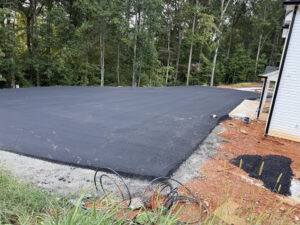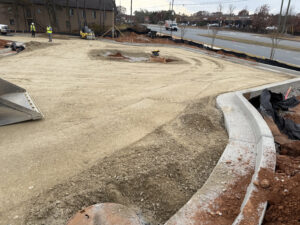
Road construction project planning determines whether a roadway is built safely and efficiently, with the foundation needed for dependable long-term performance. Before clearing begins or the first truck arrives, owners, municipalities, developers, engineers, and contractors must understand the site, the intended traffic, drainage patterns, access constraints, construction sequence, and applicable requirements. A well-planned project does not eliminate every surprise, but it creates a practical system for identifying risks early and responding to field conditions without losing sight of safety, quality, schedule, and budget.
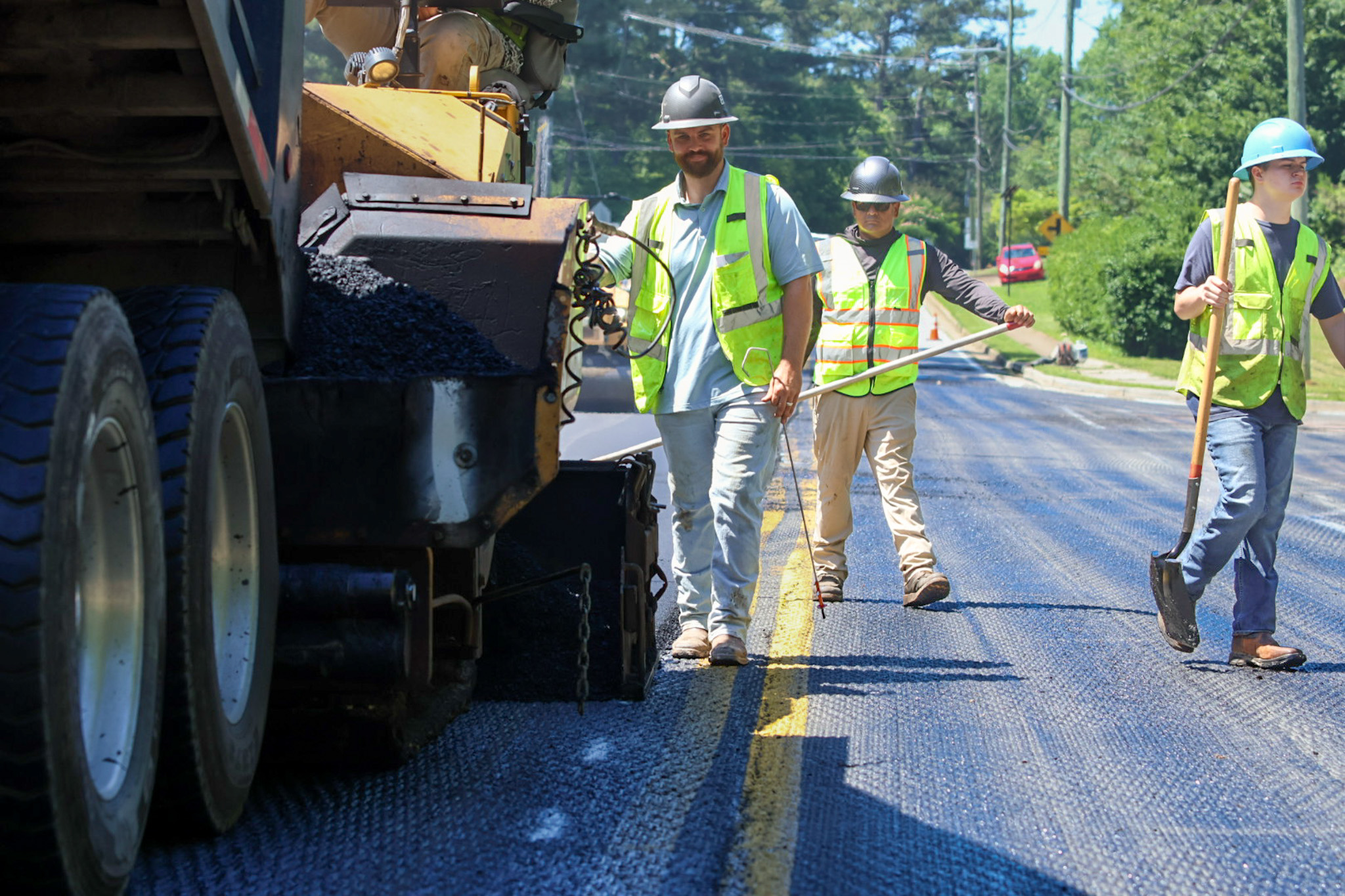
Askew & Sons supports roadway construction and paving services throughout Metro Atlanta and North Georgia. This guide explains the major questions to address before roadway construction begins and why each decision affects the final result.
What Is Included in Road Construction Project Planning?
Road construction planning defines the work, documents existing conditions, coordinates the parties involved, and develops a realistic path from the current site to the completed roadway. The exact scope depends on whether the project involves a new road, an intersection improvement, a subdivision street, a commercial access drive, a municipal resurfacing program, or reconstruction of an existing corridor.
Most plans address the proposed alignment and elevations, anticipated traffic, grading limits, drainage, utility conflicts, pavement design, material quantities, construction access, erosion control, traffic control, testing, inspections, and final restoration. The plan must also establish who is responsible for design decisions, permits, surveying, utility coordination, material approvals, quality control, and communication with adjacent owners or the traveling public.
Planning should be detailed enough to guide the work but flexible enough to accommodate verified field conditions. Subsurface conditions, undocumented utilities, weather, and changes in access needs can affect even a carefully designed project. Clear communication and a documented change process help the team respond without creating unnecessary delays or conflicting instructions.
Start With the Roadway’s Intended Use
Plan a roadway around the vehicles and activities it must support. A residential driveway does not experience the same traffic as an industrial access road. A municipal street must accommodate public traffic, emergency vehicles, drainage, utilities, pedestrians, and future maintenance. Commercial entrances may experience frequent turning movements and concentrated loads from delivery trucks.
Important questions include:
- What types of vehicles will use the road?
- How many vehicles are expected during normal and peak periods?
- Will heavy trucks turn, stop, or park on the pavement?
- Are there intersections, loading areas, gates, steep grades, or restricted sight lines?
- Will the roadway need to remain open during construction?
- Could future development increase traffic or change drainage conditions?
These answers influence roadway width, turning geometry, pavement thickness, base preparation, drainage capacity, shoulder treatment, and traffic-control requirements. Designing only for today’s lightest use can produce premature distress when traffic patterns change.
Document Existing Site Conditions
Reliable planning starts with current information. Surveying and site investigation establish property boundaries, existing elevations, slopes, drainage paths, structures, utilities, pavement limits, trees, access points, and other conditions that affect construction. Existing pavement should also be evaluated for cracking, rutting, settlement, potholes, drainage damage, and base failure.
Visual conditions tell only part of the story. Soft soils, buried debris, poorly compacted fill, shallow groundwater, or an unstable aggregate base may not be obvious at the surface. When the project or site risk warrants it, the design team may recommend geotechnical investigation, pavement cores, density testing, or other field evaluation.
Accurate documentation improves quantity estimates and helps identify conflicts before mobilizing equipment. It also creates a useful baseline for evaluating changes encountered during construction.
Drainage Must Be Planned Before Pavement
Water is one of the most important factors affecting roadway performance. Surface water that remains on pavement can reduce traction and enter cracks or joints. Water that collects beside or beneath the road can soften soil, weaken the aggregate base, contribute to settlement, and accelerate pavement damage.
The drainage plan should consider the entire route water takes across the site. That includes upstream runoff, roadway cross slope, curb and gutter, shoulders, swales, inlets, pipes, culverts, outlets, erosion protection, and downstream capacity. The goal is not simply to move water away from the pavement; it is to convey runoff safely without creating flooding, erosion, or damage elsewhere.
The Georgia Department of Transportation publishes a detailed Drainage Design Policy Manual for transportation projects. Project-specific design should always be completed or reviewed by appropriately qualified professionals when required.
Visit our infrastructure improvement resources for more information on drainage, curb and gutter work, and roadway systems.
Prepare a Stable Subgrade and Aggregate Base
The visible pavement surface depends on the layers beneath it. The subgrade is the prepared soil that supports the pavement system. The aggregate base distributes vehicle loads and provides a stable platform for asphalt or concrete. If either layer is wet, unstable, improperly graded, contaminated, or insufficiently compacted, the finished surface may crack, settle, rut, or fail prematurely.
Subgrade preparation may involve excavation, moisture conditioning, drying, undercutting unsuitable material, stabilization, or placement of approved fill. Place the aggregate base at the required depth, grade it accurately, condition moisture when needed, and compact it using appropriate equipment and procedures.
The Federal Highway Administration maintains technical pavement resources, including publications related to intelligent compaction and pavement construction. Testing requirements vary by project, but density, thickness, material, and elevation verification can help confirm that the supporting layers meet the specified criteria.
Coordinate Utilities Before Roadway Construction
Utility conflicts commonly disrupt construction. Water, sanitary sewer, storm drainage, gas, electric, communications, and privately installed lines may cross or run beside the proposed work. Review existing records, locate utilities, and coordinate conflicts before excavation whenever possible.
New utility work should generally be sequenced so trenches, structures, and service connections are completed before final paving. When pavement must be cut after installation, the repair creates an additional joint and may affect long-term performance. Utility adjustments must also account for final roadway elevations so valves, manholes, inlets, and other structures are properly positioned.
Develop a Practical Construction Sequence
A roadway cannot be constructed as a collection of unrelated activities. Clearing, erosion controls, rough grading, drainage, utilities, subgrade preparation, base placement, paving, shoulders, markings, signs, and restoration must occur in a workable sequence.
The sequence should account for equipment movement, material deliveries, weather exposure, access for residents or businesses, inspection hold points, and protection of completed work. For example, placing aggregate base too early may expose it to construction traffic and rainfall. Completing final pavement before heavy site work is finished may subject the new surface to tracked soil, turning equipment, or concentrated loads.
Projects that must remain open require phasing. The team may divide the road into sections, maintain temporary lanes, schedule work outside peak periods, or use temporary surfaces. The selected approach should balance public access, worker safety, and construction efficiency.
Plan Traffic Control and Work-Zone Safety
Consider traffic control during estimating and scheduling, not as an afterthought. The plan may include advance warning signs, channelizing devices, flagging operations, lane closures, detours, temporary markings, barriers, lighting, or other measures appropriate to the site and traffic conditions.
Pedestrians, cyclists, school traffic, transit, emergency access, deliveries, and adjacent driveways may require special consideration. Install, maintain, inspect, and adjust traffic-control devices as work progresses. Every employee, subcontractor, and member of the public deserves a work environment organized around safety.
Choose Materials and Pavement Structure for the Project
Material selection should reflect traffic, soils, drainage, climate, construction conditions, maintenance expectations, and budget. Asphalt offers flexible construction and can be placed in lifts. Concrete provides a rigid pavement option for driveways, slabs, curbs, gutters, and areas requiring specific load or durability characteristics.
The pavement system includes more than the surface material. Layer thicknesses, mix or concrete design, base type, reinforcement when specified, joints, transitions, edge support, and compaction or curing all contribute to performance. Explore our asphalt paving articles and concrete paving resources for comparisons and planning guidance.
Create a Realistic Schedule and Contingency Plan
A useful construction schedule identifies dependencies rather than assigning dates in isolation. Utility relocation must occur before conflicting excavation. Drainage structures may need to be installed before final grading. Testing and inspections must occur before subsequent layers conceal the work. Material availability, plant schedules, hauling distances, permitted work hours, and traffic restrictions can also affect production.
Weather contingency is especially important for grading, base preparation, asphalt paving, and concrete placement. Rain can saturate soils and delay compaction. Temperature and surface conditions can affect paving and curing. A realistic plan includes decision points for protecting the site, adjusting sequencing, and safely resuming work.
Review the Estimate by Scope, Not Price Alone
Compare road construction proposals by included scope. A lower number may exclude drainage work, undercutting, traffic control, testing, unsuitable-material handling, mobilization, restoration, or other necessary items. Owners should ask what assumptions support the quantities and how they will document and price unforeseen conditions.
A clear proposal identifies major work items, materials, approximate limits, exclusions, and responsibilities. It should also explain how the contractor will handle authorized changes. This reduces misunderstandings and helps the owner evaluate whether competing proposals address the same project.
Questions to Ask Before Selecting a Road Contractor
- Has the contractor reviewed the plans and visited the site?
- What roadway, paving, grading, and drainage work is included?
- Who will coordinate utilities, inspections, testing, and traffic control?
- How will unsuitable soil or unexpected field conditions be handled?
- What access restrictions should owners, residents, or businesses expect?
- How will completed pavement be protected from remaining construction?
- What information is needed before we can prepare a detailed proposal?
Owners can also review relevant Askew & Sons project experience to understand the types of environments the company works in.
Road Construction Planning FAQs
How early should road construction planning begin?
Planning should begin early enough to complete surveying, design, permitting, utility coordination, budgeting, and procurement before the desired construction date. Larger public or development projects may require substantial lead time, while smaller private projects may move faster.
Why is drainage evaluated before paving?
Drainage affects the pavement surface, base, subgrade, shoulders, and surrounding property. Correcting drainage after paving is often more disruptive and expensive than integrating it into the original design and construction sequence.
Can an existing road simply receive another asphalt layer?
Sometimes resurfacing is appropriate, but not every distressed road qualifies. Widespread base failure, settlement, drainage problems, or severe structural cracking may require repair, milling, stabilization, or reconstruction before an overlay is placed.
What causes road construction schedules to change?
Weather, utility conflicts, unsuitable soil, material availability, inspections, traffic restrictions, design revisions, and changes in adjacent construction can affect schedules. Early investigation and coordinated decision-making reduce avoidable delays.
What information helps a contractor prepare an estimate?
Useful information includes plans, surveys, specifications, geotechnical reports, traffic requirements, site access details, project schedule, known utility information, and a clear description of the desired finished condition.
Plan Your Georgia Road Construction Project
Roadway performance begins with decisions made before construction. Defining the intended use, documenting existing conditions, managing water, preparing stable supporting layers, coordinating utilities, and sequencing the work create a stronger foundation for quality results.
If you are planning roadway construction, paving, grading, or infrastructure improvements in Metro Atlanta or North Georgia, request a project consultation with Askew & Sons. Our team can review available project information and help identify the next steps needed to move from planning to construction.